

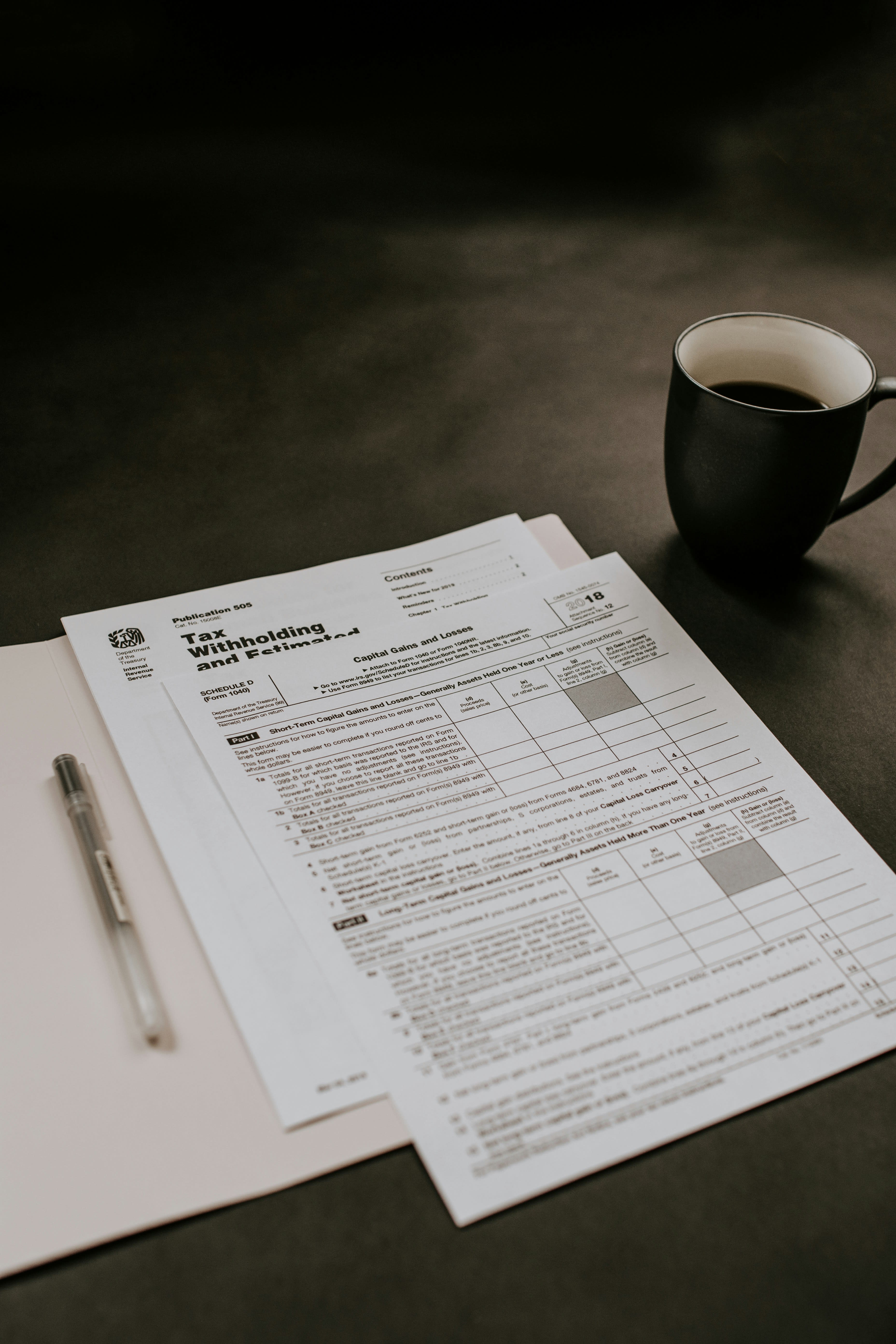
When Selling My House, What Taxes Do I Pay? A Simple Seller Breakdown
One of the most common — and stressful — questions sellers ask is: “When selling my house, what taxes do I pay?”
For many homeowners, the answer is far simpler (and less costly) than expected. The confusion comes from not understanding which taxes apply, when they apply, and how planning ahead can make a meaningful difference.
Here’s a clear breakdown of what sellers should know before listing their home.
The Main Tax to Know: Capital Gains Tax
In most cases, the tax sellers are referring to is capital gains tax — the tax on profit made from selling an asset.
In real estate, the “gain” is generally the difference between:
- what you paid for the home (plus certain improvements), and
- what you sell it for
The good news? Most primary homeowners owe little to nothing thanks to a major IRS exclusion.
The Primary Residence Exclusion (Why Many Sellers Pay $0)
If the home you’re selling has been your primary residence for at least two of the last five years, you may qualify for the capital gains exclusion:
- Up to $250,000 in profit for single filers
- Up to $500,000 in profit for married couples filing jointly
This exclusion alone eliminates capital gains tax for many homeowners.
When Sellers Do Owe Taxes
You may owe capital gains tax if:
- your profit exceeds the exclusion limits
- the home was a rental or investment property
- you didn’t meet the residency requirements
- the property was inherited or part of a more complex financial situation
This doesn’t mean selling is a bad idea — it means planning matters.
Common Seller Misconceptions
Many sellers assume:
- they’ll be taxed on the full sale price (not true)
- selling automatically triggers a huge tax bill (often false)
- there’s nothing they can do to reduce taxes (also false)
Understanding the rules early allows for smarter decisions.
Why Timing and Strategy Matter
The when of your sale can affect:
- your tax exposure
- your net proceeds
- your ability to plan purchases or reinvestment
This is why sellers who plan before listing often keep more of their equity than those who wait until after the sale to ask questions.
What a Realtor Can (and Can’t) Do
While a Realtor doesn’t give tax advice, a good one knows:
- when tax questions should be raised
- what scenarios typically trigger taxes
- how to coordinate timing and strategy with your broader goals
The goal is not to replace a CPA — it’s to ensure there are no surprises.
The Bottom Line
Most homeowners selling a primary residence pay far less in taxes than they expect — sometimes none at all. The biggest risk is selling without understanding how the rules apply to your specific situation.
If you’re thinking about selling and want clarity before making a move, I’m happy to walk through what typically applies and what questions are worth asking early.
Reach out anytime for a seller planning conversation — information now creates confidence later.
- the home was a rental or investment property
- you didn’t meet the residency requirements
- the property was inherited or part of a more complex financial situation
- selling automatically triggers a huge tax bill (often false)
- there’s nothing they can do to reduce taxes (also false)
Understanding the rules early allows for smarter decisions.
- your net proceeds
- your ability to plan purchases or reinvestment
- what scenarios typically trigger taxes
- how to coordinate timing and strategy with your broader goals